Notes

From the journal

Small notes on making, keeping and wearing handmade things, written at the workbench between batches.

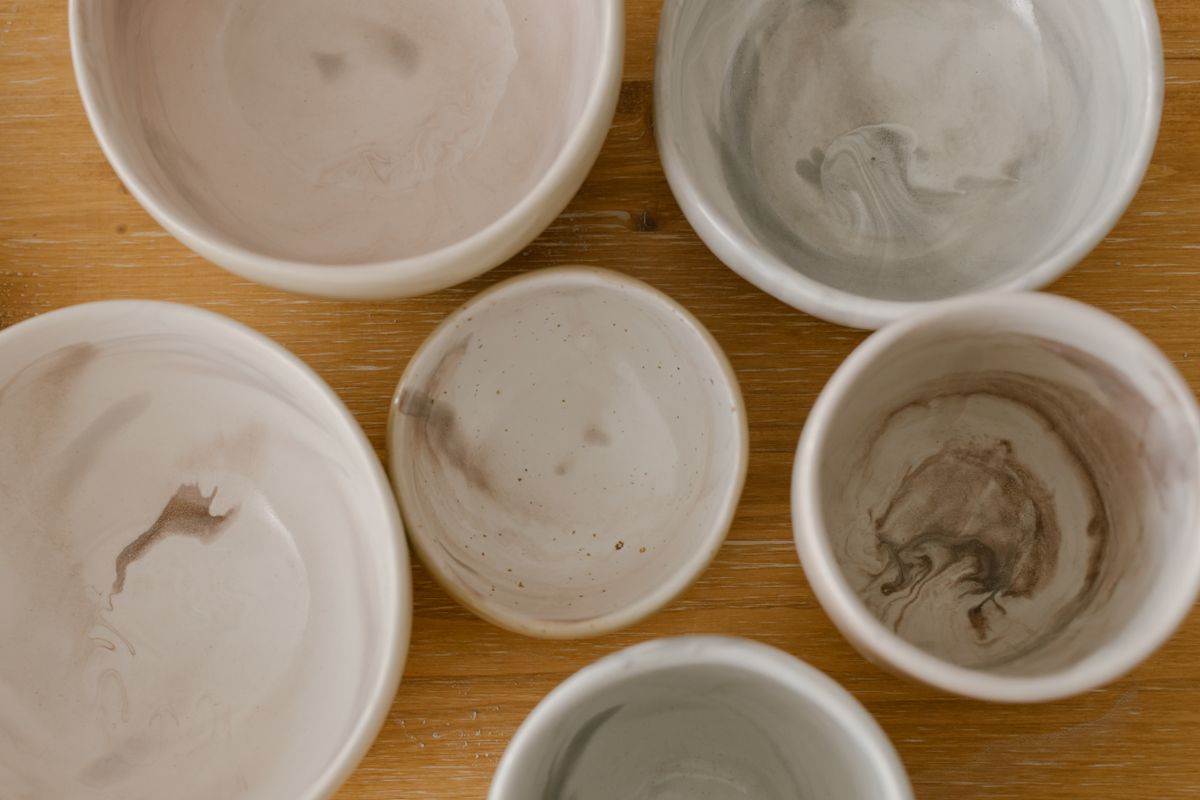
Hand-thrown ceramic cups drying in the studio

Caring for hand-thrown ceramics

Hand-thrown stoneware asks for very little, and gives back a great deal. Wash each piece by hand with warm water and a mild soap, using a soft cloth rather than anything abrasive. Glazes are tough, but a scouring pad will dull their surface over time, and the potter who made your bowl would much rather you did not.

Let pieces air-dry fully before stacking them, and slip a soft cloth between bowls if they nest tightly. Sudden heat shocks are the one real enemy, so avoid moving a cold dish straight into a hot oven. Treated gently, a thrown bowl only grows more beautiful: the glaze softens, the foot ring burnishes, and the piece settles into your daily rituals for decades.

Fine gold pendant necklace

How to layer fine gold necklaces

Layering necklaces looks effortless, but three small rules keep them from tangling into one knot. First, vary the lengths: leave at least five centimetres between each chain so every pendant has its own horizon. A choker, a mid-length chain and one long pendant is a combination that rarely fails.

Second, mix the textures — a fine cable chain beside a slightly heavier link gives each strand its own character and stops them sliding together. Third, fasten each necklace separately and check the clasps sit at the back of your neck before you leave. At night, undo each piece and lay it flat rather than dropping the whole tangle into a dish. Your morning self will be grateful.

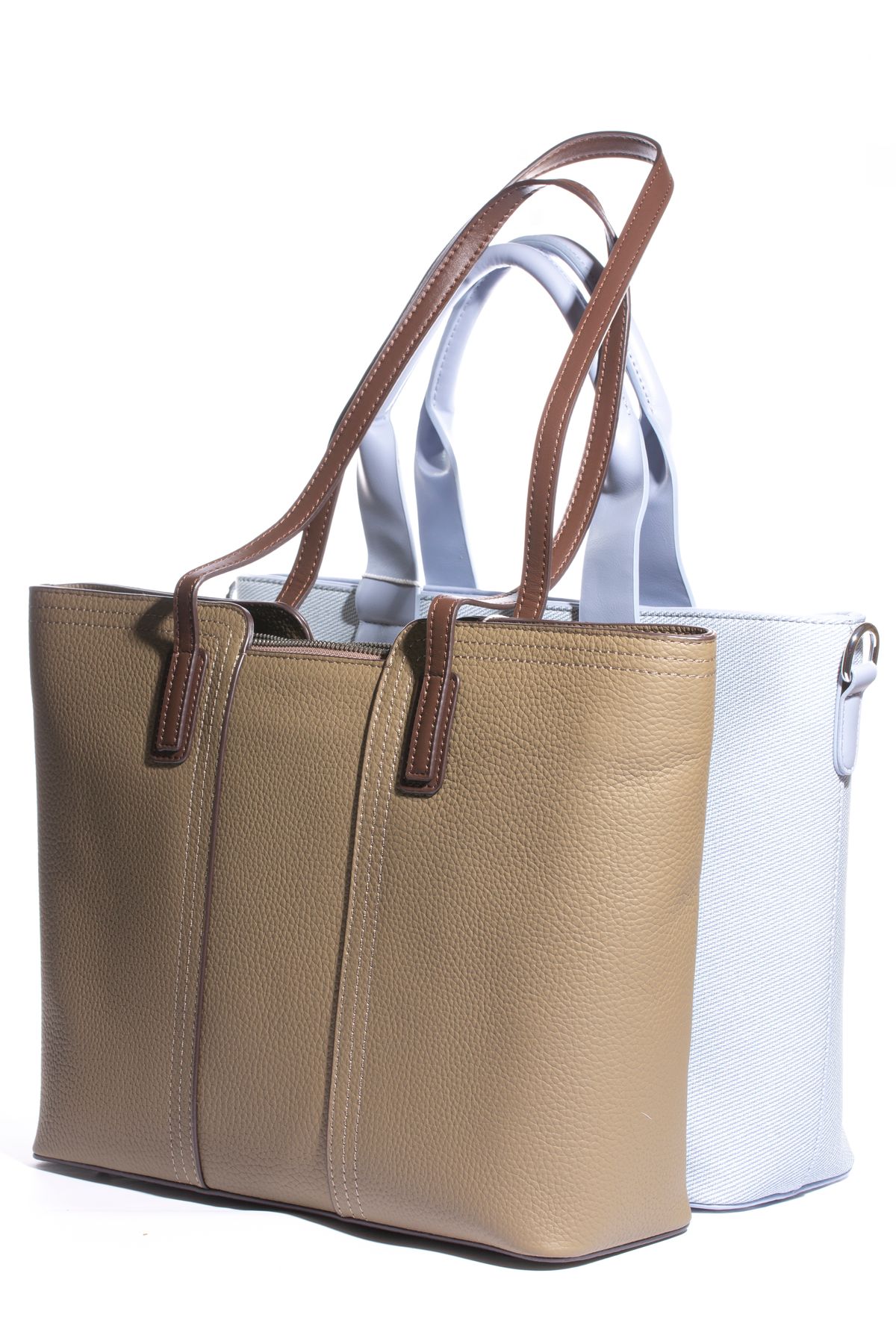
Hand-stitched leather tote

Why we sew leather by hand

Every tote that leaves our studio is sewn with a saddle stitch: two needles, one waxed thread, each stitch pulled tight by hand. A machine makes a running stitch that unravels when one loop breaks; a saddle stitch is a row of independent knots, so a worn thread weakens one stitch and nothing more. It takes an afternoon instead of minutes, and we think the difference shows.

Hand sewing also lets us feel the leather as we work — where it is dense, where it wants to give — and adjust without thinking. The result is a seam that moves with the bag instead of fighting it. Carry the tote daily, condition it once a season, and the stitches will still be holding long after the leather has moulded itself to your shoulder.